
Charlotte Rat Control
Understanding Rat Infestations in Charlotte
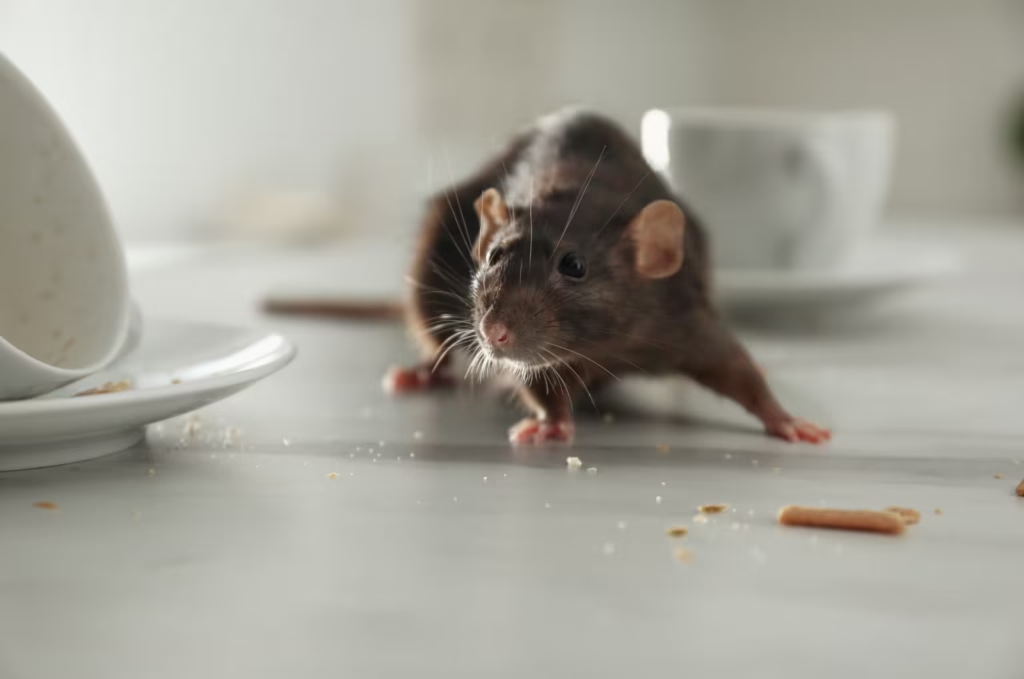
Rats in your Charlotte home or business create more than a nuisance. These rodents actively seek food, water, and shelter, and residential and commercial properties offer all three. Scratching sounds in your walls at night or droppings near food storage areas signal a problem that requires professional attention.
Rat infestation treatment in Charlotte goes beyond setting a few snap traps. Effective rodent removal requires knowledge of rat behavior, thorough entry point identification, and a multi-step approach that eliminates the current population and stops future invasions.
Why Charlotte Properties Attract Rats
Charlotte’s humid subtropical climate and expanding urban footprint create ideal conditions for rat populations.
Hot, muggy summers push rats indoors where they find cool spaces in basements, crawl spaces, and climate-controlled buildings. When temperatures climb into the 90s for weeks at a time, rodents seek relief anywhere they can find it.
Winters bring different pressure. Charlotte’s cold snaps send rats searching for warmth in attics, wall cavities, and storage areas. While winters here are milder than northern states, temperature drops still drive rodents inside.
Spring and fall rainstorms flood outdoor burrows and force rats to higher ground. Neighborhoods with older infrastructure, including parts of Plaza Midwood, NoDa, and South End, face particular vulnerability during heavy rain events.
Common Rat Problems Across Charlotte Neighborhoods
Different areas of Charlotte face distinct rodent challenges based on property age, construction style, and local conditions.
South Charlotte and Ballantyne
Newer subdivisions in South Charlotte and Ballantyne often encounter roof rats. These agile climbers use tree branches and utility lines to access attics and upper floors. Mature trees throughout these neighborhoods provide travel routes between properties.
Plaza Midwood and NoDa
Older neighborhoods like Plaza Midwood and NoDa frequently see Norway rats. These larger, ground-dwelling rodents exploit aging sewer lines and foundation cracks. Historic homes often have multiple entry points that require professional sealing.
University City and Concord
Suburban areas surrounding UNC Charlotte see mixed rat populations. The combination of residential neighborhoods and commercial development creates varied food sources that attract both species.
Uptown Charlotte Commercial District
Businesses in Uptown face challenges with dumpster areas, loading docks, and connected buildings. These features provide rats with consistent food access and protected travel corridors.
Signs You Need Professional Rat Infestation Treatment
Early detection saves time and money. Many property owners try store-bought solutions first, but professional rat infestation treatment in Charlotte becomes necessary when you notice these warning signs:
Droppings and Urine Odors: Fresh rat droppings appear dark and moist. Older droppings turn gray and crumble easily. A strong ammonia smell indicates heavy rodent activity.
Gnaw Marks: Rats chew constantly to wear down their teeth. Look for gnaw damage on food packaging, furniture, and electrical wiring. Damaged wires create fire risks.
Scratching Sounds: Rats move most during dawn and dusk. Scratching, scurrying, or squeaking in walls and ceilings during these hours points to an active infestation.
Grease Marks: Rats travel the same paths repeatedly. Their oily fur leaves dark smears along walls and baseboards.
Nesting Materials: Shredded paper, fabric, or insulation in hidden areas shows rats are building nests inside your property.
The Charlotte Rat Control Treatment Process
Effective rat infestation treatment in Charlotte follows a systematic approach. Each property requires customized service based on the rat species present, infestation size, and building characteristics.
Initial Inspection and Assessment
Treatment starts with a complete property inspection. Technicians examine interior and exterior areas to locate entry points, nesting sites, and attractants. This inspection covers areas most property owners overlook, including crawl spaces, utility penetrations, and rooflines.
Species Identification
Charlotte hosts two primary rat species: roof rats and Norway rats. Each requires a different approach. Roof rats climb well and prefer upper areas of structures. Norway rats stay at ground level and dig burrows. Correct identification determines the right treatment strategy.
Entry Point Sealing
Rats fit through openings as small as a quarter. Professional treatment includes finding and sealing all potential entry points with appropriate materials. This work may involve installing hardware cloth over vents, caulking gaps around pipes, or repairing foundation damage.
Strategic Trap Placement
Effective trapping depends on understanding where rats travel. Technicians position traps based on evidence from the inspection rather than guessing. This targeted placement produces faster results than scattering traps randomly.
Ongoing Monitoring and Maintenance
Rat infestation treatment in Charlotte continues beyond initial removal. Follow-up visits confirm elimination and catch new activity before it becomes a larger problem.
Seasonal Rat Control in Charlotte
Charlotte’s climate creates predictable seasonal shifts in rat behavior that affect treatment timing.
Summer Treatment Focus: Heat drives rats indoors seeking cooler spaces and water. Summer work often targets interior access points and moisture sources.
Winter Preparation: Before cold weather arrives, thorough sealing becomes critical. Fall is the best time for exclusion work since rats will find any gap to reach warmth.
Spring and Fall Rain Seasons: Heavy rains flood burrows and push rat populations toward buildings. Treatment during these months often addresses drainage problems and secures elevated entry points.
Why Professional Treatment Outperforms DIY Methods
Many property owners try handling rat problems themselves before calling for help. This makes sense, but DIY efforts usually fall short.
Store-bought traps and baits treat symptoms without addressing causes. Without proper inspection and sealing, new rats replace those you remove. Professional rat infestation treatment in Charlotte tackles the whole problem from multiple angles.
Professionals also know rat behavior patterns that make treatment work faster. They understand travel routes, food preferences, and responses to different control methods.
Safety matters too. Improper poison placement creates risks for children, pets, and wildlife. Professionals apply these products safely and according to regulations.
Preventing Future Rat Infestations
Effective rat infestation treatment in Charlotte includes prevention measures that keep rodents from returning. This means eliminating the three things rats need: food, water, and shelter.
Food Source Management: Store food in sealed containers. Clean spills immediately. Manage pet food carefully and bring dishes inside at night. Remember outdoor attractants like bird feeders and fallen fruit.
Water Elimination: Repair leaky pipes and faucets. Remove standing water from gutters, planters, and low spots in your yard. Even small water sources support rat populations.
Shelter Reduction: Trim vegetation away from building walls. Clear clutter where rats can hide. Maintain your property to minimize potential nesting spots.
Choosing the Right Treatment Approach
Not every rat problem calls for the same response. Treatment decisions depend on infestation severity, property type, household members (including pets), and which rat species you’re dealing with.
Residential properties often respond well to exclusion work combined with targeted trapping. Commercial properties may need more intensive monitoring and adjusted methods based on business operations and health code requirements.
Getting Started with Professional Treatment
If you’re seeing signs of rat activity at your Charlotte property, professional rat infestation treatment offers the most reliable path forward. Early treatment is easier and costs less than waiting until the population grows.
Professional service also delivers confidence that the problem is being handled completely rather than partially. This thorough approach prevents repeated infestations and saves money over time.
For complete rat infestation treatment in Charlotte, contact Charlotte Rat Control. Our team understands local rodent behavior and uses proven methods to eliminate current activity and prevent future problems.