
Rat prevention and exclusion in Charlotte, NC
Removal empties the house. Exclusion keeps it empty. Rat prevention and exclusion in Charlotte means going around the entire shell of the building and physically closing every opening a rat can use, with materials a rat cannot chew. Do that and the trapping you paid for holds. Skip it and you are renting the result for a season, because the same canopy, the same creek line, and the same neighbors' garages are still producing rats.
This is the part of rat work that gets shortchanged most often, usually because it takes longer than setting traps and involves ladders, crawl spaces, and hand tools rather than a spray tank. It is also the part that decides whether you call again next winter.
The Charlotte entry points, in order of frequency
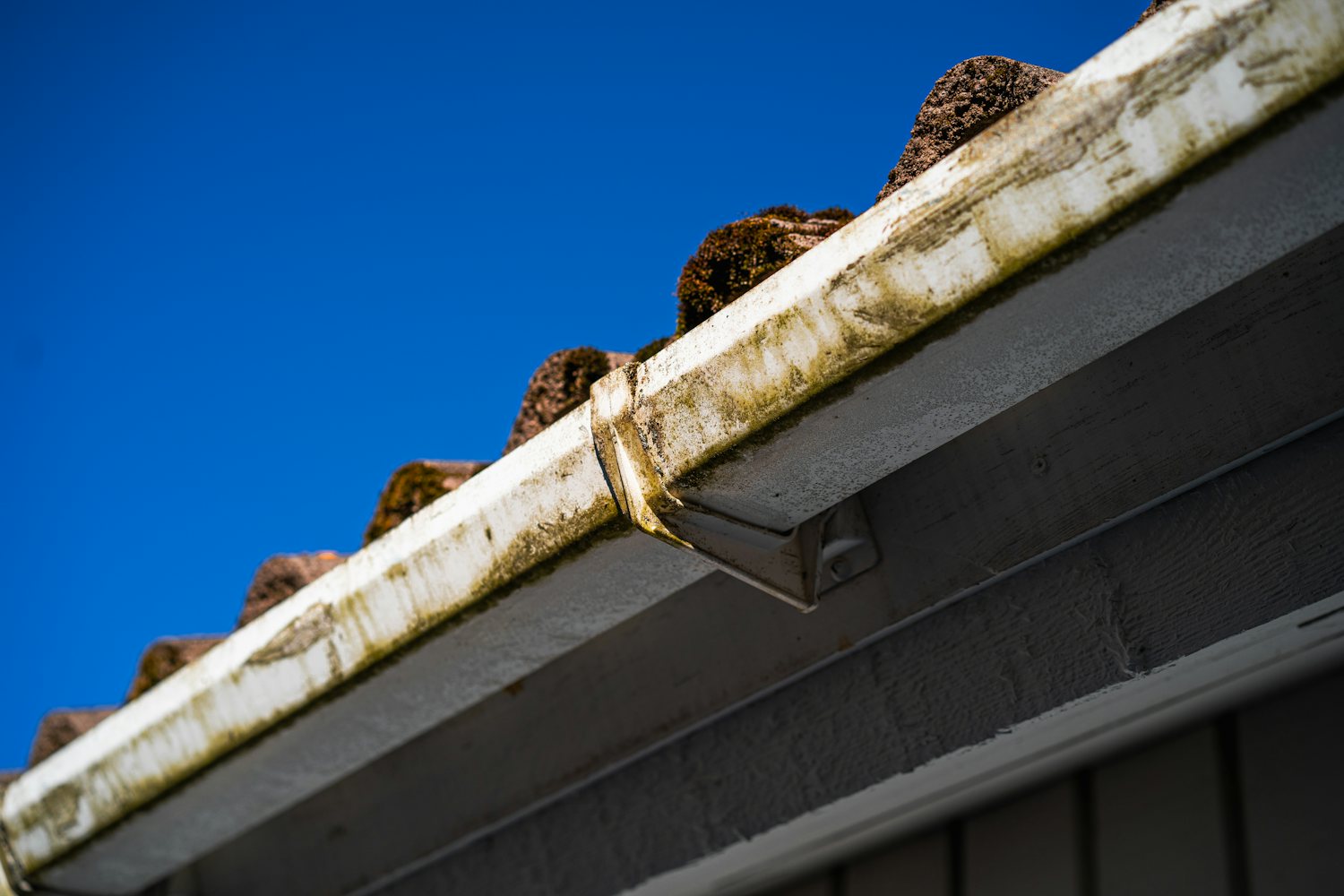
Above: the roofline
- Soffit returns. The small boxed corner where a sloped roof meets a wall. On brick homes there is often a gap behind the return, and it is the single most common roof rat door in this city.
- Fascia and drip edge gaps. Where fascia board has pulled or rotted, the space above the top plate opens right into the attic.
- Gable and turbine vents. Screens rust through, louvers crack, and turbine bases lift. All three are open doors.
- Roof-to-wall seams. Where a porch or garage roof ties into a second story, flashing frequently leaves a gap.
- Old squirrel and bird openings. Last year's unrepaired hole is this year's rat entry.
- Chimney chases. Uncapped flues and open chase tops on prefabricated fireplaces.
Below: the grade line
- Crawl space vents. Rusted or missing screens on the older brick-pier foundations in Dilworth, Elizabeth, Plaza Midwood, Wesley Heights, and Villa Heights.
- Crawl space access doors. Rotted bottom corners and frames that no longer seat.
- Sill plate gaps. Where the framing meets the foundation and mortar has failed.
- Pipe and line penetrations. Water, gas, sewer, HVAC line sets, and electrical service entry.
- Porch and deck skirting. Not an entry itself, but the cover that lets a rat work the wall unseen.
- Brick weep holes and garage door corners. The main openings on slab-built homes in Ballantyne, Steele Creek, Highland Creek, and University City.
What exclusion is made of
Material choice is the whole argument. Rats gnaw through expanding foam in a night, pull loose steel wool out of a gap, and chew soft wood patch. Work that lasts uses:
- Galvanized hardware cloth, quarter inch, fastened rather than wedged, for vents and irregular openings.
- Sheet metal or aluminum flashing for chewed wood edges and soffit returns.
- Mortar or hydraulic cement for masonry gaps at the sill and foundation.
- Copper mesh packed tight behind sealant on pipe penetrations, not foam alone.
- Proper vent covers on turbines, gables, and dryer terminations that still vent correctly.
Every closure has to keep the building working. A crawl space vent still needs airflow, a dryer vent still needs to exhaust, and a ridge vent still needs to breathe. Sealing something shut to stop rats and creating a moisture problem is not a win, particularly in a humid subtropical climate where crawl space moisture is already a standing issue in this city.
Sequence rule: exclusion goes last. Sealing a building that still holds rats traps them inside, and they die in wall cavities. Removal first, then the final seal.
Charlotte-specific prevention that actually moves the needle
Cut the canopy bridge
The willow oaks and maples that shade Myers Park, Dilworth, Eastover, and Cotswold put limbs within reach of hundreds of rooflines. Roof rats are climbers before they are anything else. Trimming limbs back several feet from the roof, and clearing fence tops and trellises that run to the eave, removes the road. This is the highest-value outdoor change most homeowners here can make.
Take the food off the table
Bird seed, pet food, and grass seed stored in paper or plastic bags in a garage or shed is a reliable rat magnet. Hard sealed containers end that. Same for fallen fruit under a tree, an open compost pile against the house, and pet bowls left out overnight. In a dense area like Plaza Midwood or NoDa, unsecured residential bins and shared dumpsters do the same job at neighborhood scale.
Reduce the cover at the wall
Rats move where they feel hidden. Firewood stacked against the siding, dense ivy or liriope right at the foundation, low decks with open skirting, and stored materials along the wall all give a rat a covered lane. Pulling that cover back a foot or two from the house makes the wall a place they cross rather than a place they live.
Watch the creek and construction edges
If your lot backs the Little Sugar Creek, Briar Creek, or McAlpine Creek greenways, treat exclusion as maintenance rather than a one-time fix, because the outdoor population is permanent. The same applies beside active construction. Grading turns over ground that rats were living in, and they relocate to the nearest standing structure within days.
An exclusion visit, step by step
- Full exterior circuit at ground level and at roof level, with every opening marked.
- Attic and crawl space entry from inside, looking for daylight, rub marks, and droppings at the opening.
- A written list of openings by location and the material each one needs.
- Repair and closure, working roof down or grade up depending on the species involved.
- A verification pass, including a check that vents still ventilate and nothing was sealed against airflow.
- Outdoor recommendations: limbs, storage, cover, and bins.
Pair it with the removal work
If rats are active now, start with rat removal or, if it has already spread, infestation treatment, and have the exclusion scoped at the same time so the seal happens the moment the catch stops. If nesting material and fouled insulation are already in the attic, attic cleanup belongs in the same plan, because leftover scent trails invite the next animal to the same spot.
Exclusion work runs across Charlotte and Mecklenburg County, including Mint Hill, Pineville, Cornelius, and Huntersville. For the general principles behind rodent-proofing a structure, the NC State Extension publications cover the same ground without a sales angle.