
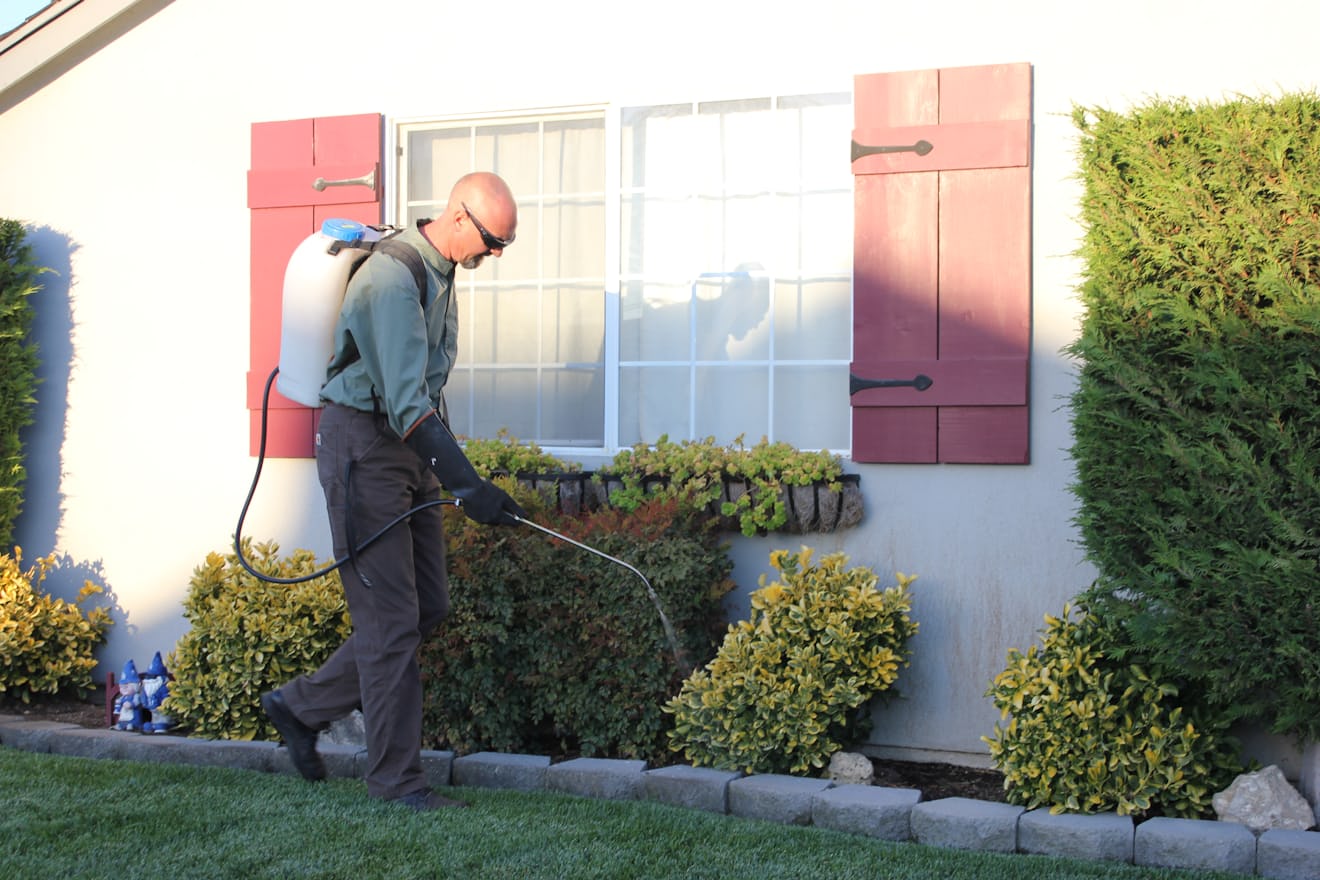
Rat extermination in Charlotte, NC
Rat extermination in Charlotte means eliminating the rats currently living in your building, then making sure the space they occupied is not immediately refilled. The word suggests a chemical answer, and that is the part worth being careful about. Rats are large, smart, and cautious animals, and the method that produces a clean, accountable result is usually mechanical, monitored, and adjusted over a couple of weeks rather than dumped in place and abandoned.
This page covers how the work is approached, what gets used and where, why placement decisions matter more than product choice, and what to do about the openings that let the population establish itself.
Why placement beats product
A rat will not walk into the middle of an open attic floor to investigate something new. It runs the same guarded path every night, hugging joists, pipe runs, and the top plate of walls, and it treats new objects with suspicion for several nights. That behavior sets the whole strategy. Anything placed off the runway is ignored. Anything placed on it, oriented correctly, works fast.
So the first hour of an extermination job is reading, not setting. Grease trails on framing. Smoothed soil in a crawl space. Rub marks where an animal squeezes past a pier or a duct boot. Droppings concentrated in a line rather than scattered. Those signs draw the map, and the map determines where every device goes.
What goes where
- Attic: devices on joist runways, at entry points, and along the perimeter where insulation meets the top plate. Nothing in the open field of the floor.
- Crawl space: along the footing where burrows enter, at vent openings, and beside pipe chases.
- Wall voids: access from an existing opening or a controlled one, with placements pulled back afterward.
- Garage and utility rooms: behind and beside appliances and stored goods, in stations where pets or children could otherwise reach them.
- Exterior: tamper-resistant stations secured in place along the travel line, not loose on the ground.
The pet and child question, answered up front
This gets decided before anything is placed. Tell whoever you speak to that you have a dog, a cat, a bird, or a toddler, and the plan changes. Options include mechanical trapping only, sealed and locked stations fastened where nothing else can access them, and placements confined to areas physically closed off from the rest of the house. There is no reason to accept a plan you are uneasy about, and no reason to guess.
The EPA's page on rodenticide safety explains the general restrictions on how these products may be used and packaged, and it is worth two minutes of reading before anyone puts anything in your house.
The odor trap: the biggest practical risk with an unmonitored chemical approach is a dead rat in an inaccessible cavity. That turns a two-week job into a wall-opening job. See dead rat removal for what that involves.
Roof rats and Norway rats need different work
Charlotte has both, and they do not overlap much. The roof rat lives above you: attic insulation, upper wall voids, the space over a kitchen soffit. It arrives across willow oak limbs, fence tops, and utility drops in the older tree-heavy neighborhoods, then enters at a soffit return or a rusted gable vent. Extermination for roof rats happens at height, and the exclusion that follows happens on the roofline.
The Norway rat lives below: burrows along foundations, under decks and sheds, in storm drains, and down the creek corridors that run through the city. It enters at crawl space vents, sill gaps, and pipe penetrations. Extermination for Norway rats runs at grade, includes the burrow system outside the building, and the exclusion that follows happens at the foundation line. The identification page covers how to tell them apart from droppings, tail length, and behavior.
Why Charlotte populations survive winter
Rats here do not get the seasonal reset that colder cities deliver. Charlotte winters are mild, with short freezes rather than sustained ones, so a colony that moves inside in October keeps breeding through the cold months in a warm attic. Combine that with a female raising several litters a year and young breeding within a few months, and a quiet autumn problem is a loud spring problem. Waiting is the one strategy that reliably makes the job bigger.
The visit sequence
- Inspection. Exterior, roofline, attic, crawl space, garage, utility penetrations. Species identified, runways mapped, entry points marked.
- Placement. Devices set on the mapped routes, with pet and child constraints applied.
- Checks. Return visits to clear results, count activity, and move placements as the pattern shifts.
- Confirmation. Two consecutive checks with no activity and no fresh sign.
- Exclusion. Openings closed with hardware cloth, sheet metal, and mortar. See prevention and exclusion.
- Cleanup. Contaminated insulation and droppings handled, so the scent trail does not advertise the space to the next rat. See attic cleanup.
What you can do before the visit
- Move pet food, bird seed, and grass seed into sealed hard containers.
- Clear access to the attic hatch and crawl space door.
- Leave droppings and gnaw marks in place, since they carry information.
- Stop any consumer bait already out, and say where you put it.
- Note when and where you hear activity for a few nights.
Get a straight answer on the phone
Describe what you are hearing and finding, mention pets and children, and you get an honest read on the method and the scope with upfront pricing before anything begins. If the activity is limited and recent, rat removal may be all you need. If it has spread across the house, infestation treatment is the right size. If something is loose indoors right now, call rather than read: emergency rat removal.
Extermination work runs across Charlotte and Mecklenburg County, including Matthews, Mint Hill, Concord, and Indian Trail.