

Get the rats out
Rat Removal
Clear the rats living in your attic, walls, and crawl space with a targeted trap-and-remove plan.
Rat Removal in CharlotteSomething is running across the ceiling at eleven at night. That is not the house settling. Get the rats out of the attic, walls, and crawl space, then get the roofline closed behind them.
Describe the noise, the droppings, or the smell. You get a straight read on what it means and what the work involves.
Day or night, seven days a week. Upfront pricing and no obligation. Rat work is handled by an experienced local rat technician.
A quarterly pest visit is built for insects. It treats a perimeter and moves to the next stop. That works on ants. It does very little to a colony nesting in your attic insulation, because a rat problem is a structural problem wearing fur.
A rat runs the same path every night and leaves it marked in grease and dust along the joists. Traps set on that line catch rats in a night. Traps set in the open middle of an attic collect dust.
How trapping worksRemoval empties the house. Exclusion keeps it empty. That means steel and hardware cloth on the soffit returns and crawl space vents, because a rat chews through expanding foam in a night.
See exclusion workRoof rats live above your ceiling and arrive on tree limbs. Norway rats live under your floor and arrive through a vent. Same city, opposite work. Naming the animal comes first.
Tell them apartUrine soaks into insulation and keeps the scent trail alive long after the animals are gone. That trail tells the next rat working the block that this was a good address.
Attic cleanupRemoval, treatment, exclusion, and cleanup are four different pieces of work. A finished rat job needs all four, which is the part a quarterly visit does not have time for.
Clear the rats living in your attic, walls, and crawl space with a targeted trap-and-remove plan.
Rat Removal in Charlotte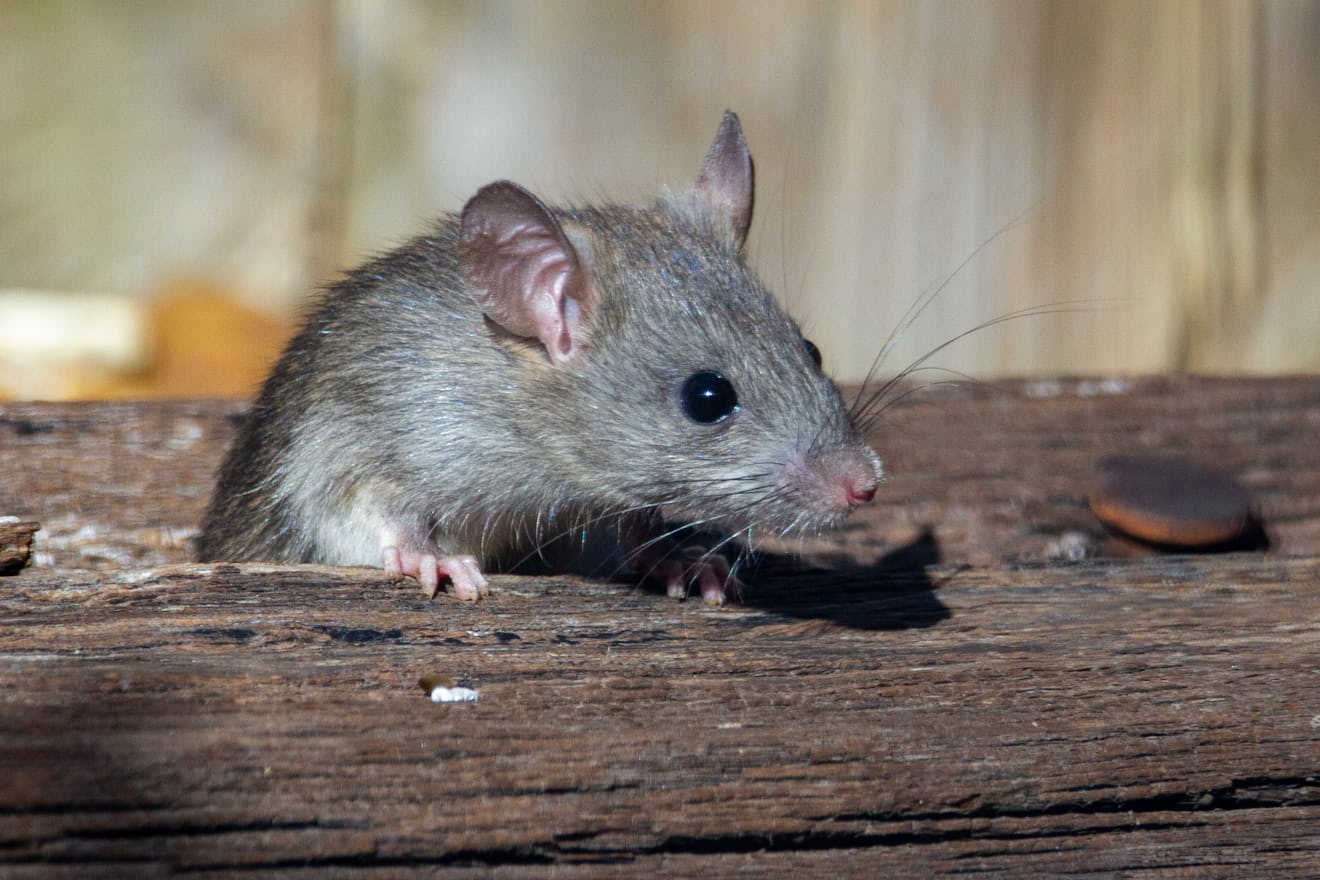
Knock down a breeding population across the whole house, then shut the way back in.
Infestation Treatment in Charlotte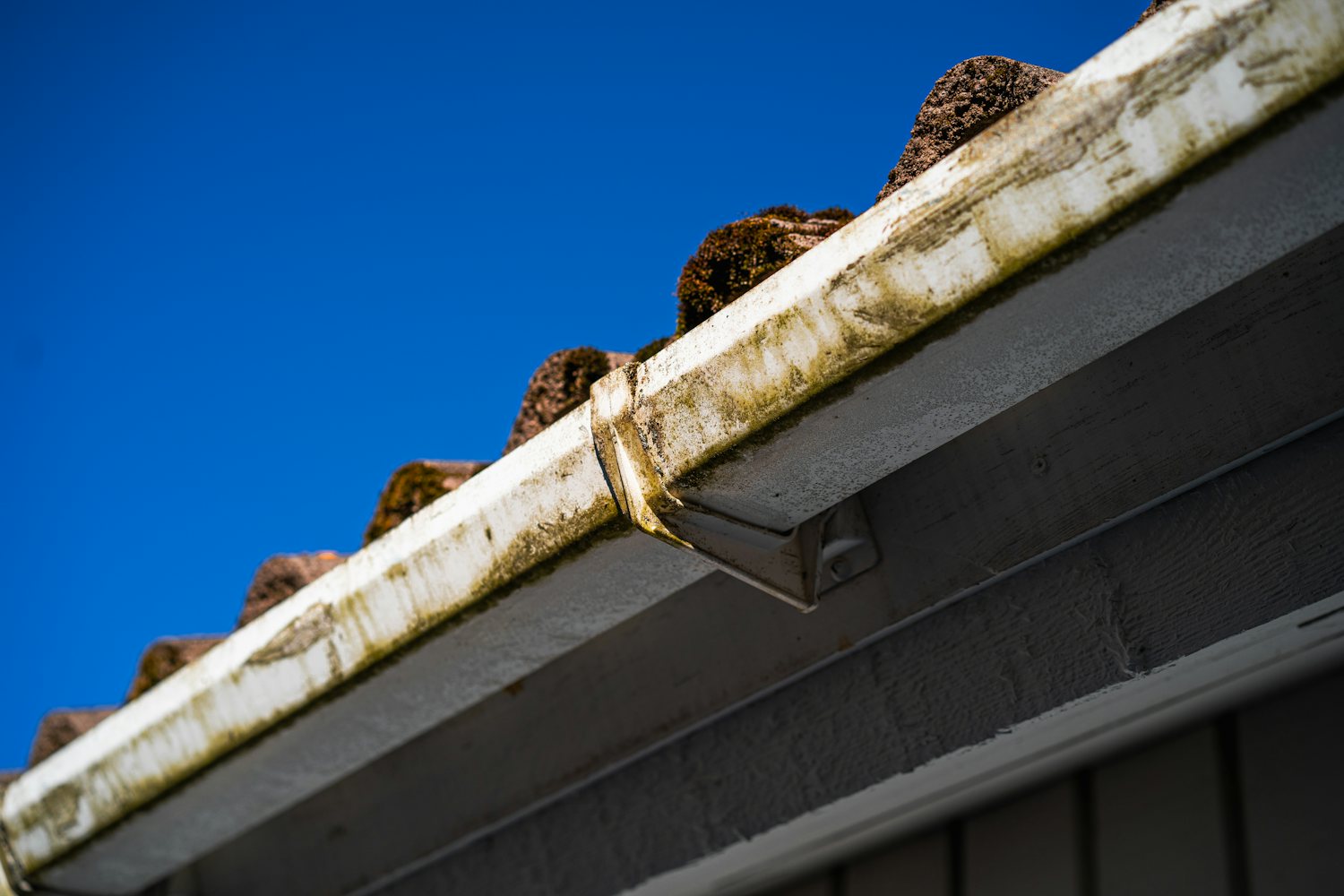
Close the soffit seams, roof vents, and crawl space gaps that let rats walk straight back in.
Prevention & Exclusion in Charlotte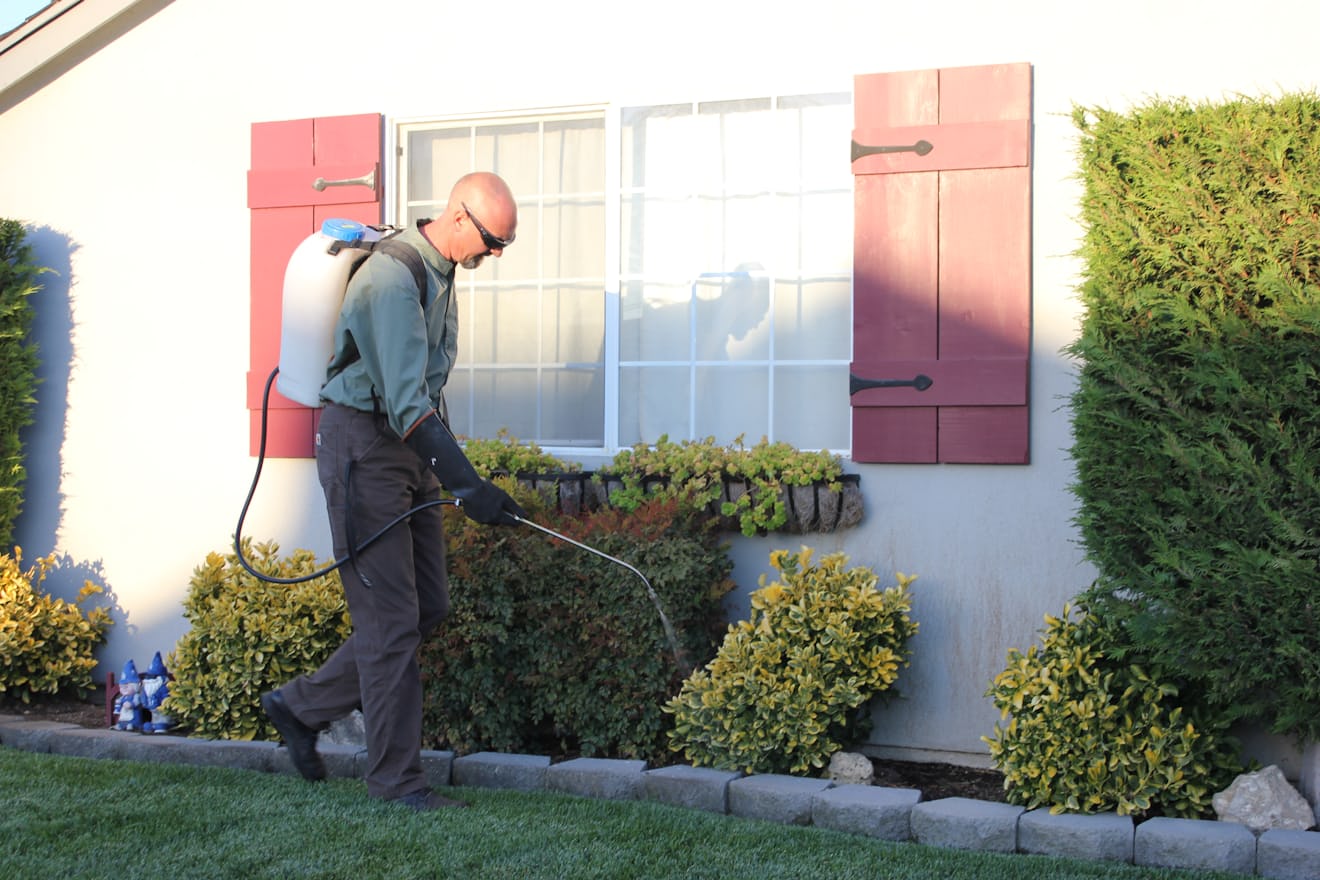
Eliminate the rats already nesting inside, with placements kept away from pets and kids.
Rat Extermination in Charlotte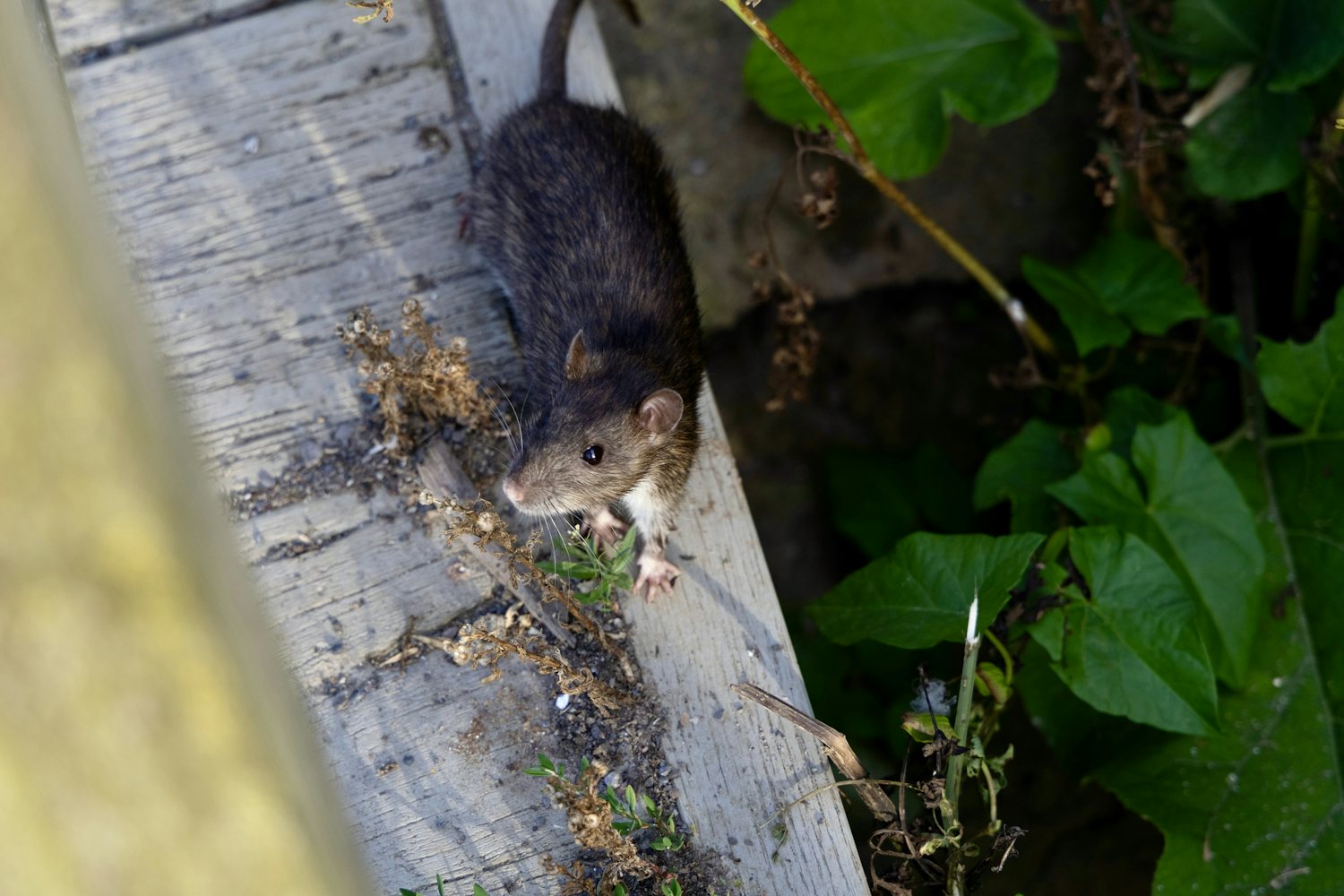
Traps set on real runways and rechecked, not scattered and forgotten.
Rat Trapping in CharlotteClear the attic, remove fouled insulation, sanitize, then close the roofline behind them.
See the detailsTrack the smell to the carcass, remove it, and treat the odor at the source.
See the detailsA rat loose indoors, or scratching overhead at 2am, handled now instead of next week.
See the detailsDiscreet, documented rat work for kitchens, warehouses, and multi-unit buildings.
See the detailsRoof rats, Norway rats, and house mice identified first, then worked the way each needs.
See the detailsAlmost nobody calls because they saw a rat. They call because of a noise at eleven, a smell in one room, or a handful of droppings behind the cereal. Any single one of these is enough to act on.
Run these out of order and the job comes back. Seal a house that still has rats inside and they die in the walls. Clean before the catch stops and you clean twice.
Roofline, soffit returns, gable vents, attic, crawl space, garage, every pipe penetration. Which rat you have, where it walks, and how it got in. Nothing gets set before this is done.
Trap lines go on the mapped runways, flush to structure, triggers across the path. Placements stay clear of pets and children. Catch counts get checked, not guessed at.
Steel and hardware cloth on every opening that was marked. This is the step that decides whether you call again next winter, and it is the step most often skipped.
Fouled insulation out, droppings removed, framing treated. Urine trails outlive the rats that made them, and an attic that was cleared but never cleaned is still an invitation.
Every rat company in this city has an awards row. None of it tells you how the work gets done. Here is the whole list of what is on offer, with nothing on it that you could not check yourself.
Rats only
Not a general pest route with a rodent line item bolted on.
Day or night
Ceiling noise at 2am is when people call. The line is open then.
Upfront pricing
You hear the number and the scope before anything starts.
Removal plus exclusion
Trapping on its own is a rental agreement. The hole gets closed.
Attic and crawl space
Both ends of the house, because the two rat species use both.
Charlotte and beyond
Mecklenburg County plus the surrounding towns and edges.
Most rat pages compare themselves to nobody. This one lays the three real options side by side, including the one place a general pest route wins outright.
| What the work covers | DIY | General pest route | Rat-only work |
|---|---|---|---|
| Entry points found and mapped before anything is set | No | some | Yes |
| Species identified: roof rat, Norway rat, or mouse | No | some | Yes |
| Traps placed on real runways, flush to structure | No | limited | Yes |
| Return visits until the catch stops | No | quarterly | Yes |
| Roofline and soffit exclusion with steel | No | rarely | Yes |
| Crawl space vent, sill, and pipe closure | No | some | Yes |
| Fouled insulation removed and framing treated | No | No | Yes |
| Also handles ants, roaches, wasps, and termites | some | Yes | No |
That last row is not a typo. If you need termites and mosquitoes handled too, a general pest company is the right call. This site does one animal.
These three get treated as one problem and they are not one problem. Where they live, how far they range, what gap they fit through, and what stops them are all different. Get this wrong and the rest of the work underperforms no matter how much effort goes into it.
Rattus rattus
Rattus norvegicus
Mus musculus
For the health side of a rodent problem, the CDC page on controlling rodent infestations is the plainest public reference there is.
It is not spread evenly across this city. It tracks canopy, the age of the crawl space, the creek corridors, and wherever a lot has just been graded. Dilworth and Ballantyne are two different jobs.
Inside the older ring the calls cluster under the tree-shaded blocks and along the greenways. Out past the belt they follow new construction and lake canopy.
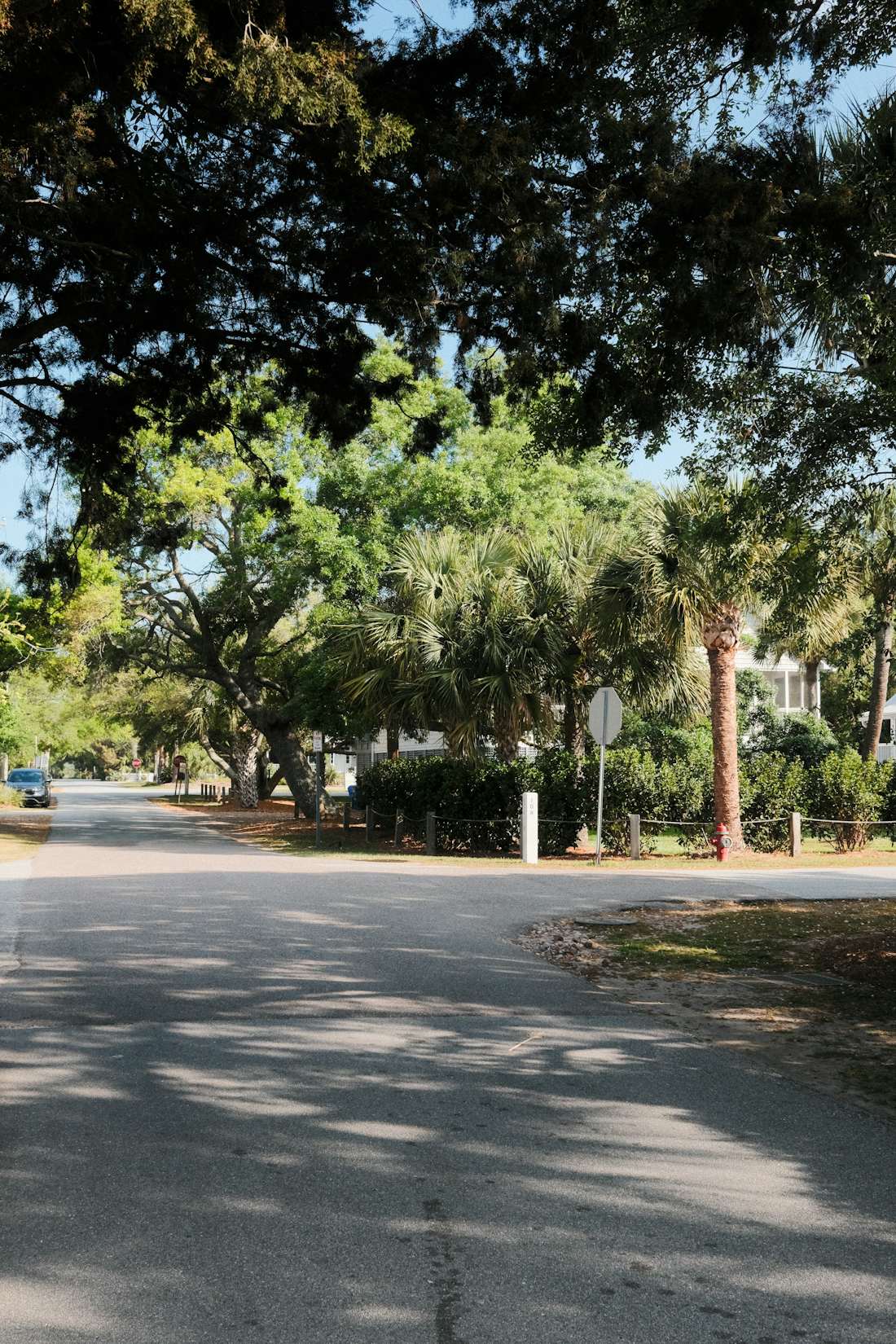
The willow oaks that make Dilworth, Myers Park, and Elizabeth worth living in also put limbs within a foot of a hundred rooflines. Roof rats are climbers before they are anything else. They travel the canopy, then the fence tops and the utility drops, and they go in where the soffit returns meet the brick or where a gable vent screen has rusted through. That is why so many calls on the tree-shaded blocks are attic calls.
Under the older houses the second route opens up. Bungalows built in the 1920s and 1930s in Plaza Midwood, Wesley Heights, and Villa Heights sit on brick-pier crawl spaces with vented openings, and mortar that has been freezing and thawing for a century leaves gaps a Norway rat can widen in a night. Add a low deck or a porch skirt for cover and the animal never crosses open ground.
Most failed rat jobs fail the same way. Someone sets six traps in the middle of an attic floor, catches two rats, and calls it done. Two weeks later the scratching is back, because nobody found the hole. Rats are creatures of habit that run the same path every night, and they leave that path marked in grease and dust along joists, pipe runs, and the top plate of walls. Work the route and the catch rate climbs immediately. Ignore it and you are guessing.
The inspection that matters covers the whole shell of the house: the soffit line and roof returns, every gable and turbine vent, the chimney chase, the point where a porch roof ties into a second story, the crawl space vents and access door, the sill plate, the dryer and bath fan terminations, and every plumbing or electrical penetration through the foundation. On a typical Charlotte house that list produces between one and six openings a rat can use. Rat removal work and prevention and exclusion are two halves of one job, and doing only the first is what makes a rat problem feel permanent.
Charlotte sits in strong roof rat territory. The roof rat, Rattus rattus, is smaller and leaner than the rat most people picture, with a tail longer than its body and ears large enough to notice. It is an excellent climber and a poor digger, so it lives above you. What that means day to day is attic insulation, wall voids on upper floors, and the space above a kitchen soffit. The noises people report are consistent: a scurry across the ceiling, a dragging sound as material gets moved for a nest, and gnawing that stops when you knock.
Attic work has a specific order. Traps go on the joist runways and against the entry point. Once the catch stops, the fouled insulation comes out, because rat urine and droppings soak into batts and blown cellulose and keep the smell alive. Then the roofline gets closed. That full sequence is what attic rat control and cleanup covers, and it is the version of the job that does not repeat next season.
The other rat here is the Norway rat, Rattus norvegicus, heavier and blunt-nosed, with a tail shorter than its body. This one burrows. It works the ground line: under sheds and decks, along foundation footings, in storm drains, and down the creek corridors that run through the city. Little Sugar Creek, Briar Creek, Irwin Creek, and McAlpine Creek all carry resident populations, and the greenway system that follows them is a continuous travel lane with water, cover, and food along the whole length.
From a burrow, a Norway rat only needs a vented crawl space, a rotted skirt board, or a gap at the sill to get inside. Once it does, it stays low, which is why these calls describe noise under the floor, droppings in a garage or utility room, and chewed pipe insulation. Infestation treatment for a crawl-space population usually includes grade-level exclusion, because sealing the vents without addressing the burrows just moves them a few feet.
A rat call in Dilworth is not the same job as a rat call in Ballantyne. The older, tree-heavy neighborhoods on the inside of the city, Dilworth, Myers Park, Elizabeth, Plaza Midwood, Eastover, Cotswold, and Sedgefield, combine mature canopy with crawl-space foundations, so they get both species and they get them at once. Farther out, the newer subdivisions in Ballantyne, Highland Creek, Steele Creek, and University City are mostly slab-built, so the entry points shift to garage door corners, weep holes, and unsealed plumbing chases, and the trouble often starts in the garage where pet food and bird seed live.
South End and NoDa add a third pattern. Constant redevelopment turns over ground that rats were already living in, and demolition or grading pushes a resident colony into the nearest standing structure. Restaurant density in those corridors keeps a well-fed population nearby, which is why the residential buildings around them see activity that has nothing to do with their own housekeeping. If you run a kitchen or a multi-unit building in that part of the city, commercial rat control is built for the documentation and the discretion that comes with it.
The seasonal story here is not about rats dying off, because they mostly do not. Charlotte winters run mild, with only short freezes, so a colony that moves inside in November keeps breeding through the cold months instead of collapsing. What changes is where they are. Cool weather pushes them into structures. Hot, humid summers push them toward water and shade, which means crawl spaces, irrigation boxes, and the shaded side of the house. Spring is when a small problem stops being small, because a female rat can raise several litters a year and the young are breeding within a few months.
The practical takeaway is that waiting does not help. Two rats in February is a trapping job. The same two rats in June is a family, an attic full of soiled insulation, and chewed wiring. North Carolina State Extension publishes plain, non-commercial guidance on rodent biology and control if you want to read the background yourself: NC State Extension publications.
Rats are not only unpleasant. They chew wire insulation, and that is a real fire risk in an attic full of dry cellulose. They contaminate insulation and stored goods. They damage HVAC flex duct, which quietly raises a power bill. They carry pathogens and parasites into living space. And they compound: every week of activity adds droppings, urine, nesting damage, and more animals. The cleanup cost of a nine-month problem is much higher than the removal cost of a three-week one.
If the smell has already started, that is a separate call. Dead rat removal means locating the carcass behind drywall or under a floor, taking it out, and treating the area, rather than waiting several weeks for the odor to fade on its own.
Rat calls do not respect business hours, because the noise starts when the house goes quiet. A rat loose in a kitchen, a scratching bedroom ceiling at 2am, or a chewed water line is worth calling about now. Emergency rat removal exists for exactly those hours. Call 704-818-4507, describe what is happening, and get an honest read on whether it needs someone out tonight or first thing tomorrow.
It depends on the size of the house, how far the rats have spread, and how much exclusion work the structure needs. A single soffit entry on a newer home is a smaller job than an older crawl space with several openings and fouled insulation. You get the number and the scope on the phone or after the inspection, before anything starts.
Size and droppings tell you. Rat droppings are roughly the length of a coffee bean, mouse droppings look like dark rice grains. Rats also make audible thumping and dragging noises in an attic, while mice are lighter and faster. Roof rats, Norway rats, and house mice need different trap spacing and placement, so the identification happens first.
Charlotte has a large roof rat population, and roof rats live high. They climb willow oak limbs, fences, downspouts, and utility lines, then enter at soffit returns, gable vents, and the seam where a lower roof meets an upper wall. They nest in insulation and only come down for water and food, which is why the noise stays overhead.
Bait alone tends to move the problem rather than end it. A poisoned rat often dies inside a wall or under insulation, which turns a rodent call into an odor call, and the entry point stays open for the next animal. Removal plus exclusion is what actually closes the job. The EPA also restricts how consumer rodenticides may be placed.
An active trapping cycle usually runs one to three weeks depending on the size of the population, with checks in between. Exclusion work on the roofline or crawl space can often be done in a day or two. Heavy infestations with attic cleanup take longer because the insulation work follows the trapping.
Not in Charlotte. Winters here are mild enough that rat populations never take the hit they do further north, so they simply move indoors and keep breeding. A female rat can produce several litters a year, which is why a quiet December problem becomes a loud March problem.
Charlotte and Mecklenburg County, plus Matthews, Mint Hill, Pineville, Huntersville, Cornelius, Davidson, Concord, and Indian Trail. If you are just outside those, call and ask.
Rat removal, exclusion, and attic cleanup across Charlotte and the surrounding Mecklenburg County area.
Day or night, seven days a week